Choosing a new external door means balancing appearance, security, thermal performance, maintenance and cost. Both uPVC and composite doors can provide a practical entrance for your home, but their materials and construction give them different qualities.
At Art On Glass, we believe the right choice depends on your property, your budget and what matters most to you. Here, we compare the main differences between uPVC and composite doors to help you make an informed decision.
What Is a uPVC Door
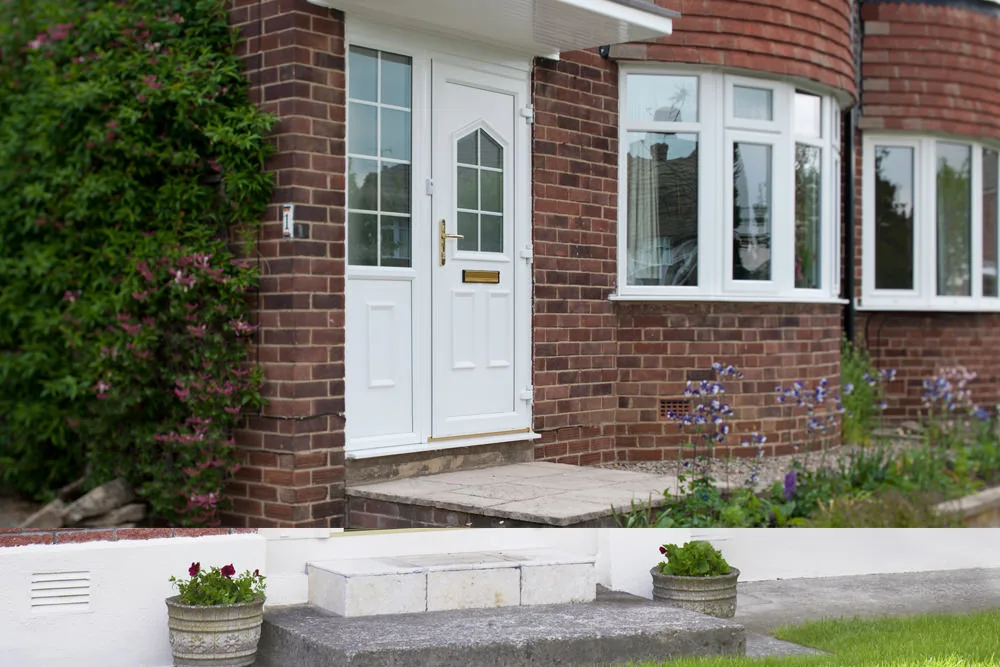
A uPVC door is manufactured using unplasticised polyvinyl chloride, which is also widely used for modern window frames. The door frame and panels are designed to cope with changing British weather while requiring little regular maintenance.
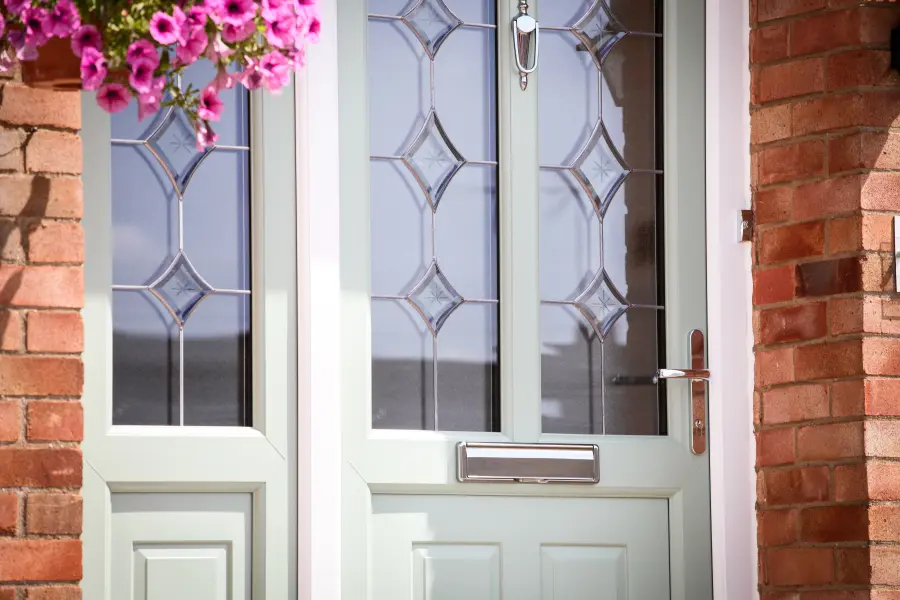
Our range of uPVC doors includes entrance doors, back doors and French doors, giving homeowners a choice of configurations for different areas of the property. A selection of colours, glazing designs and decorative panels makes it possible to choose a door that suits both traditional and modern homes.
uPVC is naturally resistant to rotting, rusting and warping. In most cases, the frame and panel simply need to be wiped clean with warm soapy water. This can make uPVC particularly appealing for busy households or rental properties where easy care is a priority.
What Is a Composite Door
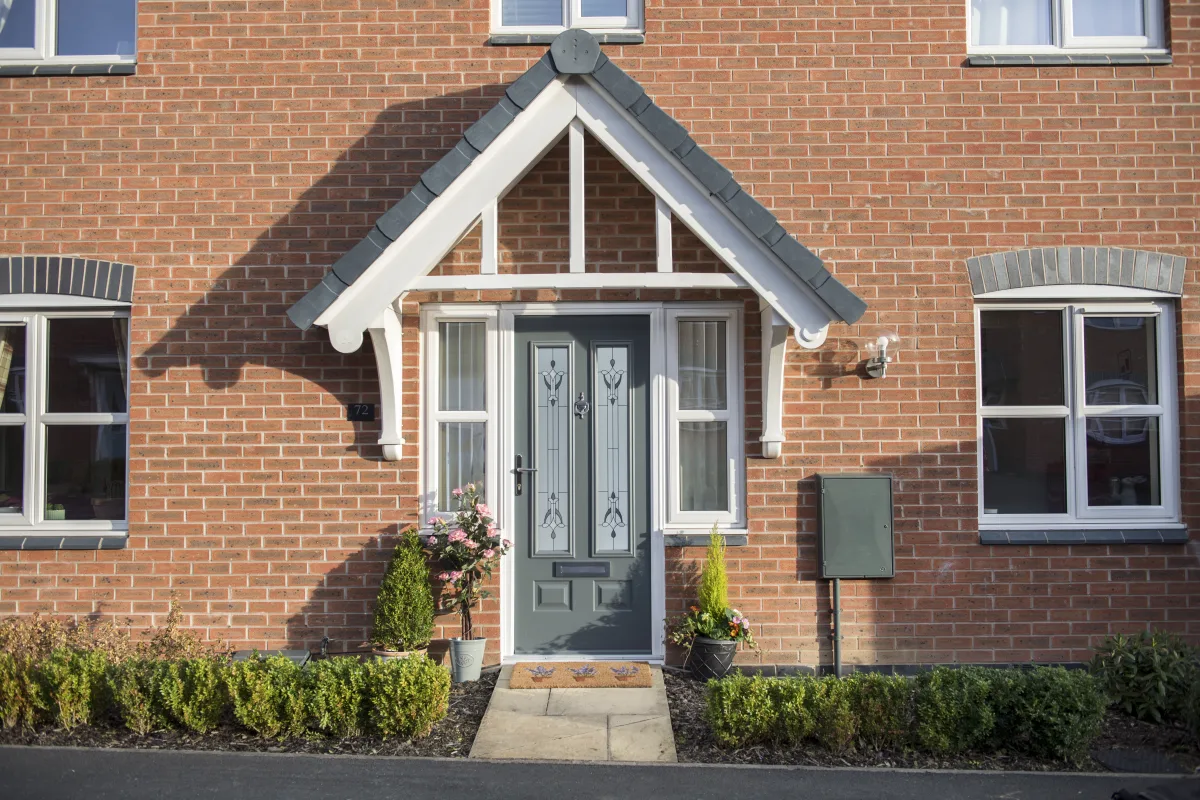
Composite doors are made using several materials rather than a single uPVC panel. Their layered construction combines a solid core with a durable outer skin and an insulated frame. This creates a substantial door with the appearance and feel often associated with timber, without the same painting and maintenance requirements.
Our composite doors are available in traditional and contemporary designs. Homeowners can select from different colours, glass styles, handles and door furniture, allowing the entrance to complement the character of the property.
The solid construction gives a composite door a heavier feel when opened and closed. Its textured surface can also recreate the appearance of painted timber, which may suit homeowners who want a classic entrance with modern performance.
Comparing Security
Security is an important consideration for any external door. Modern uPVC doors can include strong frames, reinforced sections and multipoint locking systems. Correct measurement and professional installation are essential, as the door must sit properly within its frame for the locking points to work as intended.
Composite doors also use multipoint locking systems, while their dense core provides additional strength within the door leaf. Their weight and robust construction may appeal if a solid feel is high on your list of priorities.
The lock, cylinder, hinges, glazing and standard of installation all contribute to security. Material should not be considered in isolation, so it is worth discussing the full specification before ordering.
Thermal Performance and Comfort
Both options are designed to reduce draughts and limit heat loss when fitted correctly. uPVC frames contain internal chambers that help restrict heat transfer, while insulated panels and suitable glazing support the overall thermal performance of the door.
Composite doors benefit from their dense, insulated construction. This may be useful for an exposed front entrance or a hallway that is difficult to keep warm. However, the exact performance will depend on the chosen design, glazing area and installation rather than the door type alone.
If energy efficiency is a priority, ask about the performance figures for the individual door you are considering.
Style and Maintenance
uPVC doors offer a clean appearance and are available in numerous colours and panel layouts. They often work well as back doors, side entrances and front doors where practicality and value are central considerations.
Composite doors provide a broader choice of detailed finishes and timber style textures. They are often selected for prominent front entrances where homeowners want the door to make a strong visual impression.
Neither material needs the regular sanding or repainting associated with traditional timber. Normal care involves cleaning the surfaces and glass, checking drainage channels and keeping locks and hinges in good working order.
Cost and Long Term Priorities
A uPVC door will usually have a lower initial price than a comparable composite model. It can therefore be a sensible option when working within a set budget or replacing several external doors.
Composite doors generally cost more because of their layered construction, solid feel and wider range of detailed finishes. Some homeowners view this as worthwhile for a main entrance, while choosing uPVC for less visible access points.
There is no single answer that suits every property. Consider where the door will be installed, how exposed it is, the style you prefer and how much you plan to spend. To compare designs and specifications in more detail, get in touch with our team. We can discuss your requirements, explain the available options and help you get a quote for your home.
Recent News
24 September 2026
Why Composite Doors Are the Best Choice for Cambridgeshire Homes
31 October 2019
Aluminium Double Glazing King’s Lynn
31 October 2019
Aluminium Doors Installation and Supply King’s Lynn
13 August 2019
uPVC Windows, King’s Lynn